
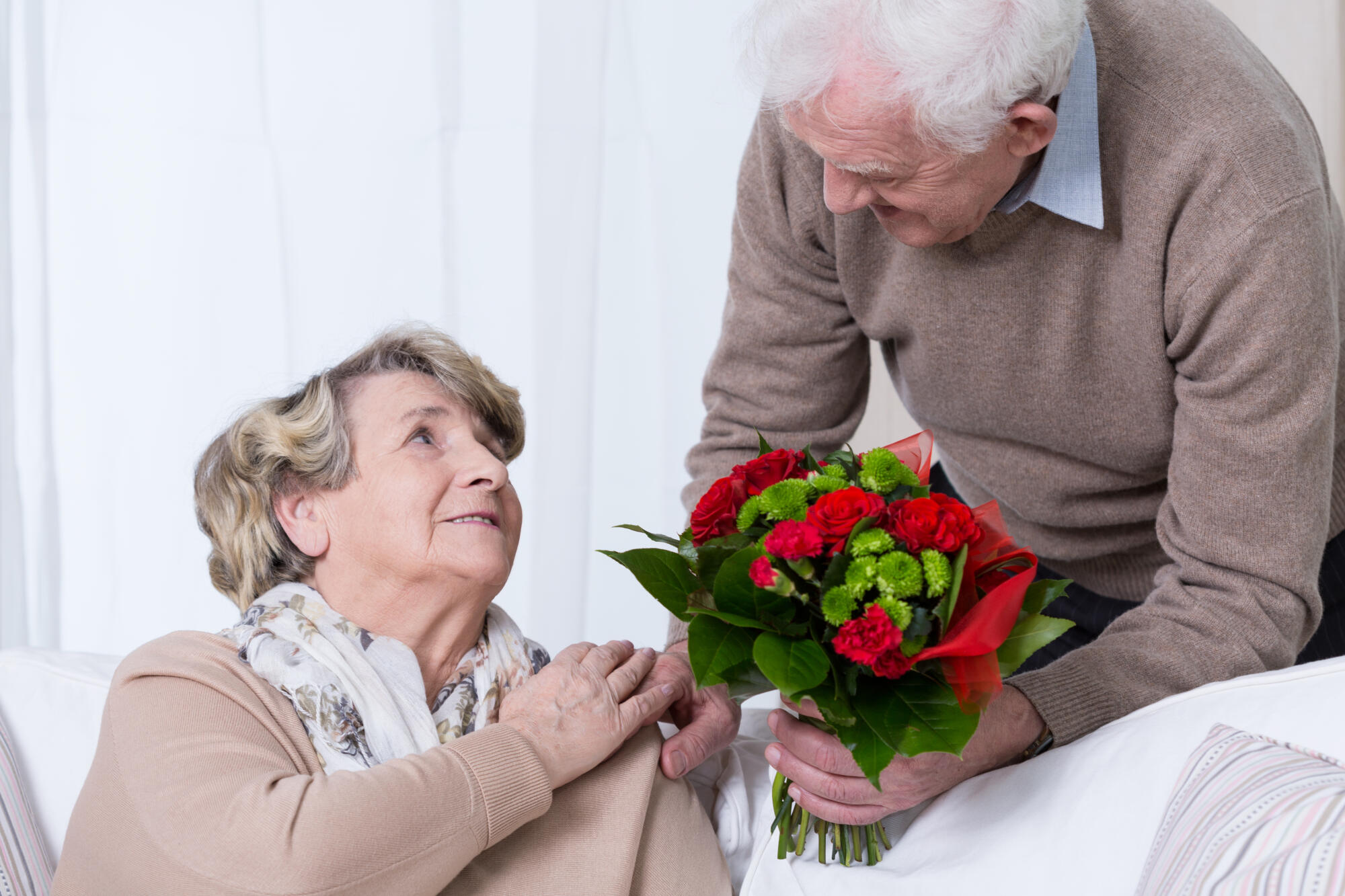
Marriage anniversaries are milestones that celebrate love, commitment, and shared history. When memory fades due to aging or cognitive changes, these occasions can feel bittersweet, but you can avoid that by focusing on emotional memory and creating meaningful traditions.
Over 7 million Americans are living with Alzheimer’s Disease and other memory disorders, according to the Alzheimer’s Association.
One partner may worry that the meaning will be lost, or that the day will no longer feel special. Yet even as memory changes, love, emotion, and connection remain very much alive. With thoughtful planning and a shift in focus, a marriage anniversary can still be deeply meaningful, sometimes even more so than before.
Keeping an anniversary meaningful when memory fades is less about recalling the past perfectly and more about honoring the bond that exists right now in the Northside of Indianapolis.
Redefining What “Meaningful” Means
As memory changes, anniversaries may need to evolve. Meaning does not have to rely on detailed recollections of dates, places, or stories. Instead, it can center on emotional presence, comfort, and reassurance.
A meaningful anniversary might simply be a day that feels calm, loving, and affirming. Gentle moments, holding hands, sharing a favorite song, or enjoying a familiar meal, often carry more emotional weight than elaborate celebrations.
Focus on Emotional Memory, Not Factual Memory
Even when factual memory fades, emotional memory often remains strong. Many people continue to recognize feelings of love, safety, and joy long after specific memories become unclear.
Celebrating an anniversary in dementia care that engages the senses can help evoke this emotional connection in aging:
- Familiar music from earlier years
- Scents tied to meaningful routines for couples
- Favorite foods enjoyed together over time
- Soft lighting or cherished textures
These cues can spark warmth and connection, even if the reason for the celebration isn’t fully remembered. Honoring relationships in this fashion is worth it.
Create Simple, Reassuring Traditions
Consistency is comforting when memory fades. Repeating simple anniversary traditions each year helps create a sense of familiarity and security.
Examples include:
- Breakfast together at the same café or at home
- A short walk or quiet time outdoors
- Exchanging a handwritten note or card
- Looking at a small, curated photo album
Traditions do not need to be complex to be meaningful. What matters is the shared experience. It’s all about quality time, not quantity.
Use Gentle Reminders Without Pressure
If one partner struggles to remember the significance of the day, gentle reminders can help, without creating stress or embarrassment. Rather than asking, “Do you remember what today is?” try statements that reassure and include.
For example:
- “Today is our marriage anniversary, and I’m so happy to celebrate us.”
- “This is a special day for us, and I love spending it with you.”
This approach removes pressure to recall details while reinforcing memory care and love.
Involve Supportive Family and Friends Thoughtfully
Loved ones can help make anniversaries special, but it’s important to keep gatherings manageable. Too many people or activities can feel overwhelming.
Small, supportive gestures may include:
- A brief visit or phone call from close family
- A shared dessert or simple toast
- Cards with kind, familiar messages
The goal is to add warmth, not confusion or fatigue. It’s still meaningful, even if it’s small.
Capture the Moment Without Overemphasizing the Past
Photos, short videos, or written reflections can help preserve the moment without demanding memory recall. These keepsakes can be enjoyed later or revisited gently.
Rather than focusing on “how things used to be,” center on what the day feels like now. A smile, a laugh, or a quiet moment together is just as worthy of being remembered.
Practice Patience and Self-Compassion
For the partner with a stronger memory, anniversaries can bring grief alongside love. It’s natural to miss shared recollections or conversations about the past. Acknowledging these feelings privately or with support can help prevent resentment or sadness from overshadowing the day.
Meaningful anniversaries in this stage of life are built on acceptance, acceptance that love can remain strong even as memory changes.
Frequently Asked Questions
Can an Anniversary Still Be Meaningful If One Partner Doesn’t Remember It?
Yes. Meaning comes from emotional connection, not memory accuracy. Even without recall, feelings of love, comfort, and companionship can make the day special.
How Should I Remind My Partner About Our Anniversary?
Use gentle, inclusive language that reassures rather than quizzes. Framing the day as something to enjoy together helps avoid stress or embarrassment.
What If Celebrations Cause Confusion or Anxiety?
Keep celebrations simple and familiar. Short, calm activities are often more meaningful than large gatherings or busy schedules.
Are Gifts Still Appropriate When Memory Fades?
Yes, especially gifts that are practical, comforting, or sensory-based, such as cozy clothing, favorite treats, or music they enjoy.
How Can I Manage My Own Emotions on Anniversaries?
It’s normal to feel grief alongside love. Talking with a trusted friend, counselor, or support group can help you process these emotions.
Should We Still Acknowledge the Date If It’s Forgotten Quickly?
Yes. Acknowledging the date affirms the relationship and honors your shared life, even if the memory of the day doesn’t last.
What Matters Most When Celebrating Later-Life Anniversaries?
Presence, kindness, patience, and emotional connection matter most. A loving moment today is just as meaningful as any memory from the past.
Can New Traditions Replace Old Ones?
Absolutely. New, simpler traditions often fit better with changing needs and can become just as meaningful over time.
A Marriage Anniversary Can Be Celebrated Well Even With Memory Changes
Ultimately, a marriage anniversary is about honoring relationships, not testing memory. Even if the date itself is forgotten, the bond it represents still exists in daily acts of care, trust, and companionship.
At Rittenhouse Village at Northside, we use the exclusive SHINE® Memory Care program to provide personalized care, making use of science-driven data to promote comprehension, quality of life, and engagement for seniors living with dementia.
Schedule a tour of our community to see if this nationally recognized memory care program curriculum works for you and your loved one.