
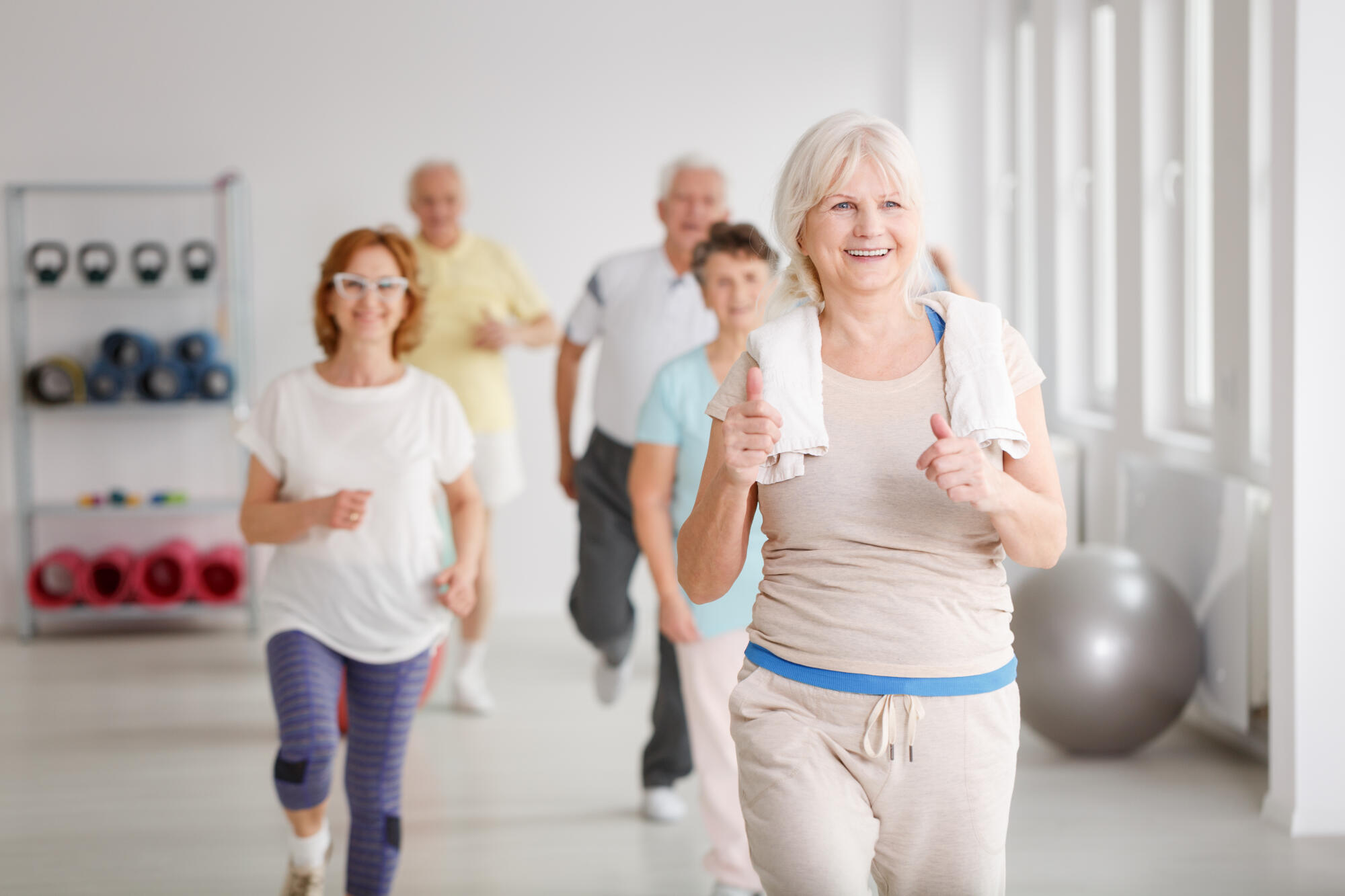
Common indoor exercise benefits include socializing, improved strength, and a reduced risk of chronic health conditions. You can find safe workouts for older adults through your Gahanna, OH senior living community.
According to the Centers for Disease Control and Prevention, about 28% of American adults aged 50 and older are physically inactive. Inactivity is 30% higher among seniors with a chronic disease. Regular exercise, however, could help prevent or manage many health conditions.
Common indoor exercise benefits include disease prevention and an improved mood. Improving your strength could help you live independently longer, improving your quality of life in Gahanna, OH.
What are the other benefits of group fitness in senior living, and how can you improve social wellness through exercise? Read on to find out!
Indoor Exercise Benefits
Following indoor movement routines may benefit your mental, physical, and emotional well-being.Here are a few indoor exercise benefits you may experience.
Bone Loss Prevention
According to the American Medical Association, about 10 million Americans have osteoporosis. Another 44 million have low bone density, which can increase their osteoporosis risk.
We lose bone density as we age, which causes decreased bone strength. This may increase your risk of a fracture.
Strength training may help counteract bone loss. Restoring bone density could reduce your risk of fractures. This can help you remain mobile as you age, allowing you to maintain your independence.
Preventing bone loss could improve your balance, further reducing your risk of falls and injuries. Consider adding balance exercises to your routine.
Osteoarthritis Pain Relief
Regular movement may help reduce osteoarthritis pain and stiffness. You can engage in a range of arthritis-friendly exercises, including:
- Strength training
- Range-of-motion exercises
- Low-impact cardiovascular activity
Exercising may help strengthen your muscles, which could relieve pressure on aching joints. This could aid joint lubrication and ease inflammation, reducing stiffness and pain.
Chronic Disease Prevention
Getting regular exercise may boost your immune system by offering anti-inflammatory benefits. Strengthening your immune system may reduce your risk of:
- Colon cancer
- Cardiovascular disease
- Diabetes
- Hypertension
- Obesity
Exercising may help ease symptoms if you already have a chronic condition.
According to the American Psychological Association, moderate exercise could help prevent the development of Alzheimer’s biomarkers in those at risk for the disease. Exercising may benefit your memory and cognitive functioning.
Better Mood
Exercising boosts the production of feel-good chemicals called endorphins. Endorphins may help:
- Ease anxiety and depression symptoms
- Promote relaxation
- Create an overall sense of well-being
Maintaining a positive mood may improve your outlook on life.Staying optimistic may even extend your longevity.
Improved Heart Health
Getting regular physical activity may help:
- Regulate blood pressure
- Improve circulation
- Strengthen the heart
This may help reduce your risk of high cholesterol, stroke, and heart disease. Consider adding aerobic activities to your routine to strengthen your cardiovascular system.
Supports Weight Management
Your metabolism will slow down as you age, making weight management increasingly difficult. Getting regular exercise may help:
- You maintain a healthy weight
- Burn calories
- Prevent obesity-related conditions (including hypertension and diabetes)
Maintaining a healthy weight may help reduce your risk of other conditions. Improving your appearance may boost your self-esteem and confidence.
What Are Safe Workouts for Older Adults?
The best exercise routines incorporate a combination of:
- Strength and resistance training
- Flexibility and stretching exercises
- Aerobic exercise
Consider avoiding trendy fitness programs or high-intensity workouts. These classes aren’t always safe for seniors. Instead, focus on improving your balance, mobility, and strength.
You can find safe exercise classes on your community’s events and activities calendar. These classes may include:
- Yoga
- Senior strength programs (including weight lifting and resistance band training)
- Aerobic exercises
- Pilates
- Tai chi
- Walking and hiking groups
- Swimming
- Biking or using a stationary bike
- Water aerobics
- Chair yoga
- Stretching
Exercise Tips
As you develop your indoor movement routines, consider:
- Establishing goals
- Recognizing and overcoming hurdles
- Recognizing your limits (to avoid injuries)
- Warming up before and after exercising
- Staying hydrated
- Balancing your workouts (between aerobic, muscle-strengthening, and flexibility exercises)
What Is Social Wellness Through Exercise?
Choosing group fitness in senior living can help you make strong social connections.Socializing can reduce your risk of isolation and loneliness, which are associated with:
- Heart disease
- Obesity
- A weakened immune system
- High blood pressure
- Depression
- Anxiety
- Cognitive decline
- Dementia and Alzheimer’s disease
- Early death
Consider joining a walking group through your senior living community’s fitness program. Walking with friends can help you stay motivated to exercise regularly. Exercising with friends may also help:
- Reduce loneliness and social isolation
- Stimulate the mind
- Protect thinking skills
- Improve your memory
- Improve your mood
- Keep you on a schedule
- Increase accountability
- Ensure your safety
- Improve your technique
- Reduce the risk of accidents and injuries
- You maintain a steady pace
Joining exercise classes can give you opportunities to meet new people. You can forge strong, lasting friendships, reducing loneliness and related health issues.
Frequently Asked Questions
How Much Exercise Do Seniors Need?
Aim for 150 minutes of moderate-intensity aerobic activity or 75 minutes of vigorous-intensity activity each week.If you’re new to exercising regularly, start slow. Gradually increase the intensity and frequency of your workouts to avoid injuries.
Add two muscle-strengthening workouts to your week. Try to incorporate balance and stretching exercises into your routine for well-rounded workouts.
What Is the 3-3-3 Rule for Working Out?
The 3-3-3 rule for working out involves:
- Working out three days a week
- Focusing on three different exercises
- Completing three sets of each exercise
Following this training method can help ensure consistency every week. It may help you accomplish your fitness goals, allowing you to improve your strength and endurance.
Following this routine may help you avoid burnout. Consider working with a personal trainer or exploring group fitness in senior living to develop a customized exercise plan.
Establish Your Indoor Movement Routines
Common indoor exercise benefits include socializing, reduced risk of health issues, and improved mental health. You can find engaging group fitness classes through your Gahanna senior living community.
Rittenhouse Village Gahanna offers Independent Living with supportive services. We can help you enjoy a maintenance-free lifestyle.
Discover our exclusive senior lifestyle programs, including chef-prepared meals through Sensations dining, Celebrations Activities & Events like live music, and Dimensions Health & Fitness classes like yoga. Contact us now to schedule your tour.