
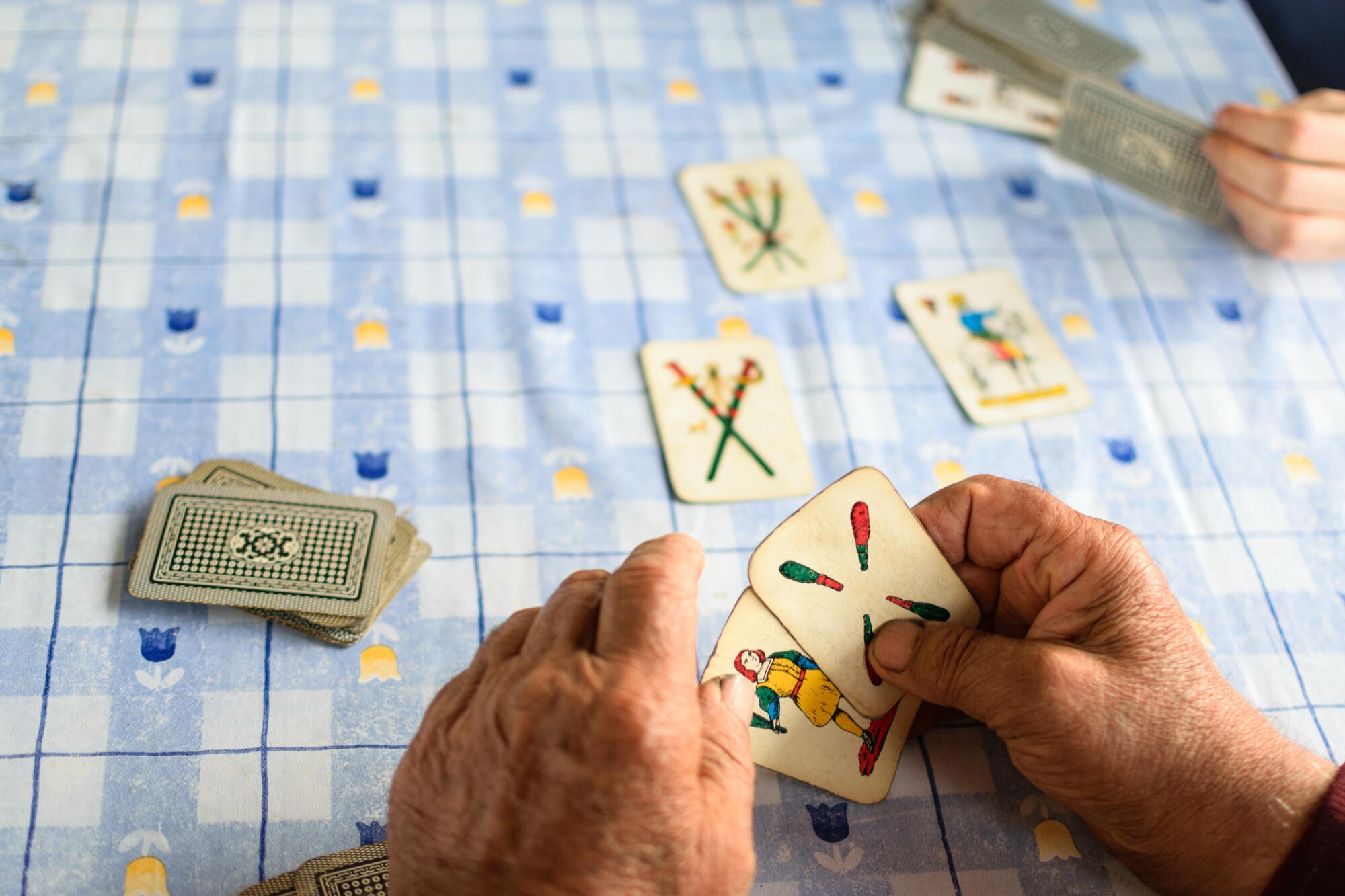
Brain games for elderly adults provide gentle yet effective ways to maintain cognitive function while building relationships. These activities combine mental stimulation with the joy of shared experiences, brightening each day.
Research from Texas A&M University shows that engaging in puzzles, games, and reading at least three to four times weekly can slow cognitive decline. Northside of Indianapolis, nestled in the heart of the Midwest, offers seniors a welcoming community filled with opportunities for mental engagement and meaningful connection.
At Rittenhouse Village at Northside, individual care plans are tailored to ensure aging adults have daily access to stimulating activities that support senior cognitive health.
How Does Mental Stimulation Support Memory in Aging Adults?
Mental stimulation creates new neural pathways and strengthens existing connections in the brain. Regular cognitive activity helps delay memory decline and maintain sharper thinking skills.
According to UCLA Health, brain games for older adults can help slow memory decline. Crossword puzzles, for instance, can delay cognitive decline by up to 2.5 years. Number puzzles like Sudoku can put cognitive performance at the same level as people eight years younger.
These findings highlight the real benefits of regular mental exercise for memory support for aging adults.
What Are the Best Brain Games for Elderly Adults?
Seniors can enjoy many dementia-friendly activities and social events that provide cognitive benefits without frustration. The goal is to match the activity to the individual’s abilities and interests. Here are proven options that work well:
- Crossword puzzles strengthen vocabulary and memory retrieval
- Sudoku and number games enhance logical reasoning skills
- Card games like Go Fish improve memory and social skills
- Jigsaw puzzles boost concentration and visual-spatial abilities
Board games offer another excellent option for focus games for seniors. Chess and checkers require strategic thinking and planning ahead. Simpler games like Bingo provide cognitive engagement in a social setting.
The Social Side of Mental Stimulation
Social isolation ranks among the top risk factors for cognitive decline. Research published in the Journal of the Alzheimer’s Association found that frequent social activity is associated with a five-year delay in dementia onset compared to those with low social engagement.
At Rittenhouse Village at Northside, the full-time activities director plans engaging events that bring residents together daily. The Celebrations program includes:
- Themed parties that encourage participation and memory recall
- Educational programs that introduce new topics and ideas
- Exciting games designed for various ability levels
- Outings that provide fresh experiences and conversation
The secure SHINE® Memory Care neighborhood provides specialized programming for those needing additional support. These SHINE® Memory Care ideas reflect a personalized approach that incorporates scientific principles into daily engagement and compassionate care.
Creating Daily Habits for Cognitive Wellness
Consistency matters more than intensity when it comes to brain health. Short daily sessions of mental activity outperform occasional longer periods. Building cognitive exercise into everyday routines makes it sustainable and enjoyable.
The Dimensions Health and Fitness program at Rittenhouse Village at Northside takes a multi-dimensional approach to wellness. Activities address physical, emotional, social, intellectual, and spiritual needs. This holistic approach recognizes that senior cognitive health connects to overall well-being.
Music also plays a powerful role in cognitive wellness. Familiar songs evoke memories and improve mood while stimulating multiple brain regions. Singing along provides both mental and emotional benefits.
How Assisted Living in Indianapolis Supports Mental Engagement
Many assisted living communities in Indianapolis provide structured opportunities for cognitive stimulation. The caring team understands how to adapt activities for different ability levels. This expertise ensures everyone can participate meaningfully.
Residents enjoy chef-prepared meals in the Sensations Dining Room, where mealtime becomes another opportunity for social connection. Sharing meals with neighbors encourages conversation and strengthens relationships.
The Impressions Housekeeping and Maintenance team handles daily chores so residents can focus on activities they love.
Frequently Asked Questions
What Makes Memory Care Different From Assisted Living?
Memory care Indianapolis programs provide specialized support for individuals with Alzheimer’s disease or dementia in secure environments. Rittenhouse Village at Northside offers both Assisted Living and SHINE Memory Care options. The SHINE program incorporates scientific principles with compassionate, personalized care.
What Types of Brain Games Work Best for Seniors With Memory Challenges?
Simple, familiar games work best for seniors experiencing memory challenges. Card games, matching games, and sorting activities provide cognitive stimulation without frustration.
The SHINE Memory Care program at Rittenhouse Village at Northside incorporates these dementia-friendly activities into daily routines, adapting each activity to residents’ abilities and interests.
How Often Should Seniors Play Brain Games for Cognitive Benefits?
Research suggests that engaging in mentally stimulating activities at least three to four times weekly provides meaningful benefits. Short daily sessions of 15 to 30 minutes work better than occasional longer periods. The Celebrations Activities & Events program offers daily opportunities for brain games for elderly residents, including exciting games, educational programs, and themed parties led by a full-time activities director.
Can Brain Games Help Prevent Dementia?
Brain games may help delay cognitive decline and build mental reserves, though they cannot guarantee dementia prevention. Studies show regular cognitive activity strengthens neural connections and supports senior cognitive health. Combining mental stimulation with social interaction and proper nutrition provides a holistic approach to cognitive wellness.
What Programs Support Brain Health at Rittenhouse Village At Northside?
The Dimensions Health and Fitness program fuels body, mind, and soul through educational opportunities, spiritual gatherings, and exercise classes. The Celebrations program keeps residents in their 80s and 90s social, active, and happy with focus games for seniors and engaging events.
Chef-prepared meals through Sensations Dining provide nutritious options, while the Impressions Housekeeping team handles chores so residents can focus on activities they love.
Find the Right Memory Care Support at Rittenhouse Village at Northside
Brain games for elderly adults remain beneficial at every stage of cognitive health. Activities can be adapted as needs change, keeping residents engaged and connected.
Memory care options in Indianapolis provide specialized environments for those with memory-related challenges. The SHINE Memory Care program at Rittenhouse Village at Northside is nationally recognized by the Alzheimer’s Association, a distinction shared with only a small, elite group of U.S. memory care providers.
Families seeking assisted living or memory care for seniors in Indianapolis can schedule a tour to discover this award-winning approach to compassionate care.